Five things holding small businesses back, according to leaders in the trenches
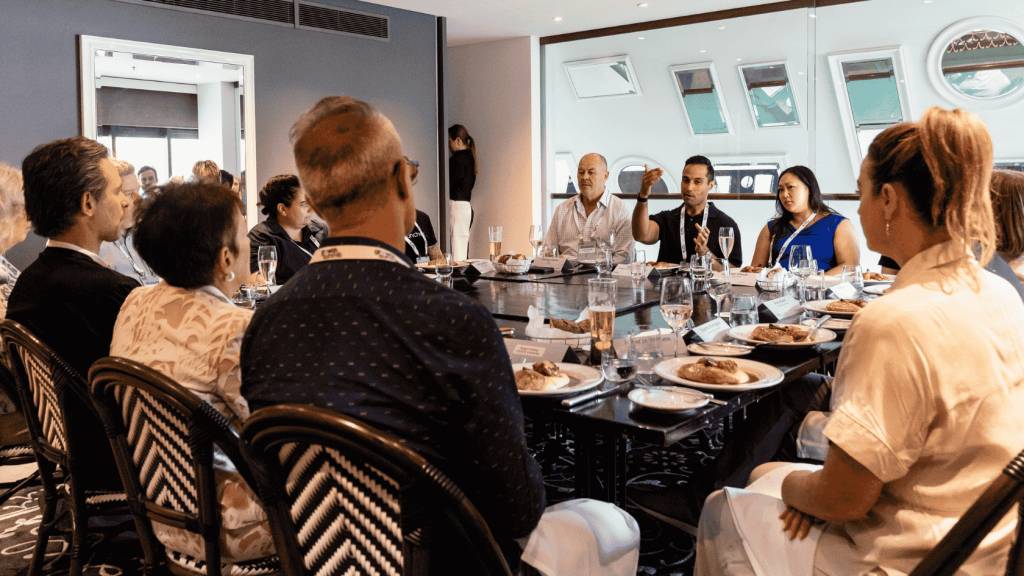
At SmartCompany and Startup Daily’s Growth Summit, headline partner Xero hosted an executive roundtable bringing together founders, investors, policymakers and advisors for a frank conversation about what it really takes to grow a business here in Australia – and what’s getting in the way.
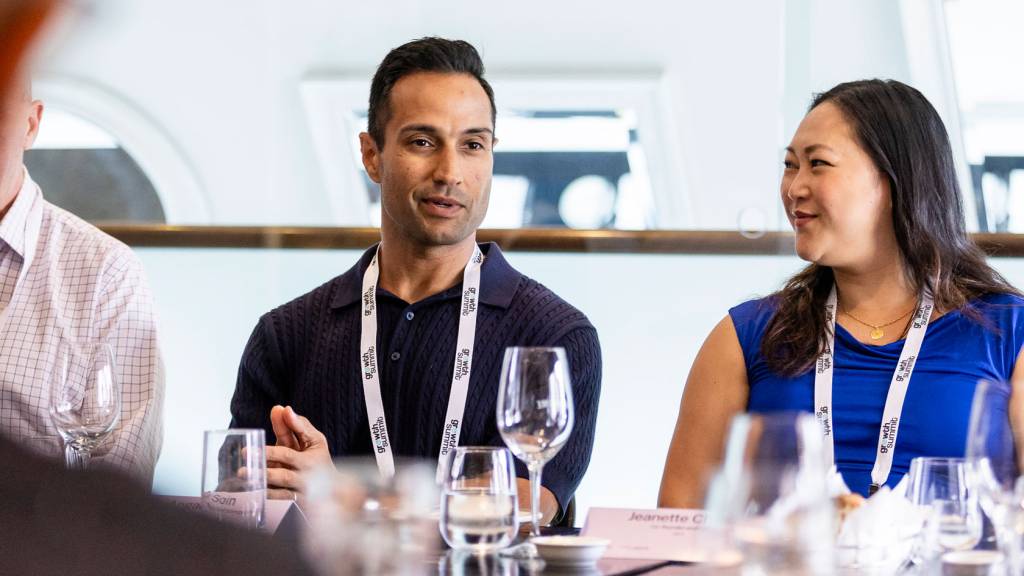
Angad Soin, managing director for Xero, Australia and New Zealand; Jeanette Cheah, co-founder and CEO of HEX. Image: Phi Nguyen.
Part of the discussion was led by Xero’s It’s Your Business report, which found that while 83% of small business owners see Australia as a great place to start a business, only 17% want to scale up with global intentions. Angad Soin, managing director for Australia and New Zealand and global chief strategy officer at Xero, said the gap was striking.
1. The global ambition gap is real – but it’s not about aspiration
Soin rejected the notion that Australian founders lack drive. “I do not think that Australians have low aspirations,” he said. “Australians think big quite a lot. They actually think global.”
The problem, those in attendance agreed, is that the transition from ambition to action is riddled with barriers – unfamiliar regulations, lack of access to capital, difficulty researching 100s of potential markets as a small operator.
Rebecca Williams, CEO of e-commerce brand Seed & Sprout, said her company sells to more than 50 markets but isn’t actively marketing in any (yet).
“The challenge is that the risk is equal to the reward, and it’s so complicated,” she shared.
Smarter business news. Straight to your inbox.
For startup founders, small businesses and leaders. Build sharper instincts and better strategy by learning from Australia’s smartest business minds. Sign up for free.
Business leaders at the Growth Summit’s exclusive Xero roundtable. Image: Phi Nguyen
2. Tall poppy syndrome is still cutting founders down
The cultural dimension is a crucial factor. Robert Gallup, founder of Oz2US Ventures, was blunt about the gap between Australian and American founders.
“Your Australian accent’s going to get you in the room because everybody loves Aussies,” he said. “But if you don’t have that ‘I’m going to crush the world’ attitude, you’re not going to get the deal.”
Leaders around the table agreed that Australia’s cultural hesitancy – a reluctance to back winners or talk openly about big ambitions – is still one of the largest handbrakes for growth.
3. Red tape is a growth tax – and payday super is the next test
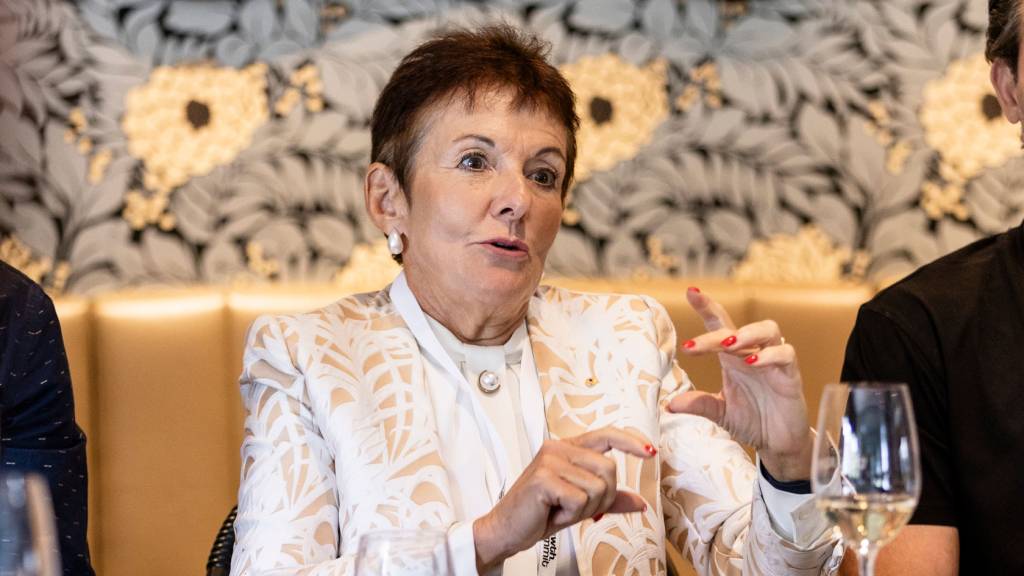
Former Australian Small Business and Family Enterprise Ombudsman Kate Carnell spoke about the cumulative regulatory burden facing small businesses today. She cited Australia’s 120 different workplace awards as a prime example of unneeded complexity.
“No wonder small businesses struggle,” Carnell said. “And no wonder they get into trouble.”
Kate Carnell, former Australian Small Business and Family Enterprise Ombudsman. Image: Phi Nguyen.
Payroll tax is one of the biggest pain points. Business leaders shared that expanding into a second state can halve your threshold and double your liability – a huge disincentive to grow.
In Soin’s view, multiple payroll tax compliance rules only confuse business owners even more, when what they need is simplification.
“I think one of the great things that Xero can do is simplify wages, making it simpler for small businesses to pay people properly,” he added.
It’s true that digital tools and automation can give small businesses real-time visibility on their cash flow and reduce the manual administrative burden. This will be key for the looming introduction of payday super from July 1.
According to new research from Xero, 91% of small businesses are supportive of payday super, but 87% say it will put pressure on their cash flow.
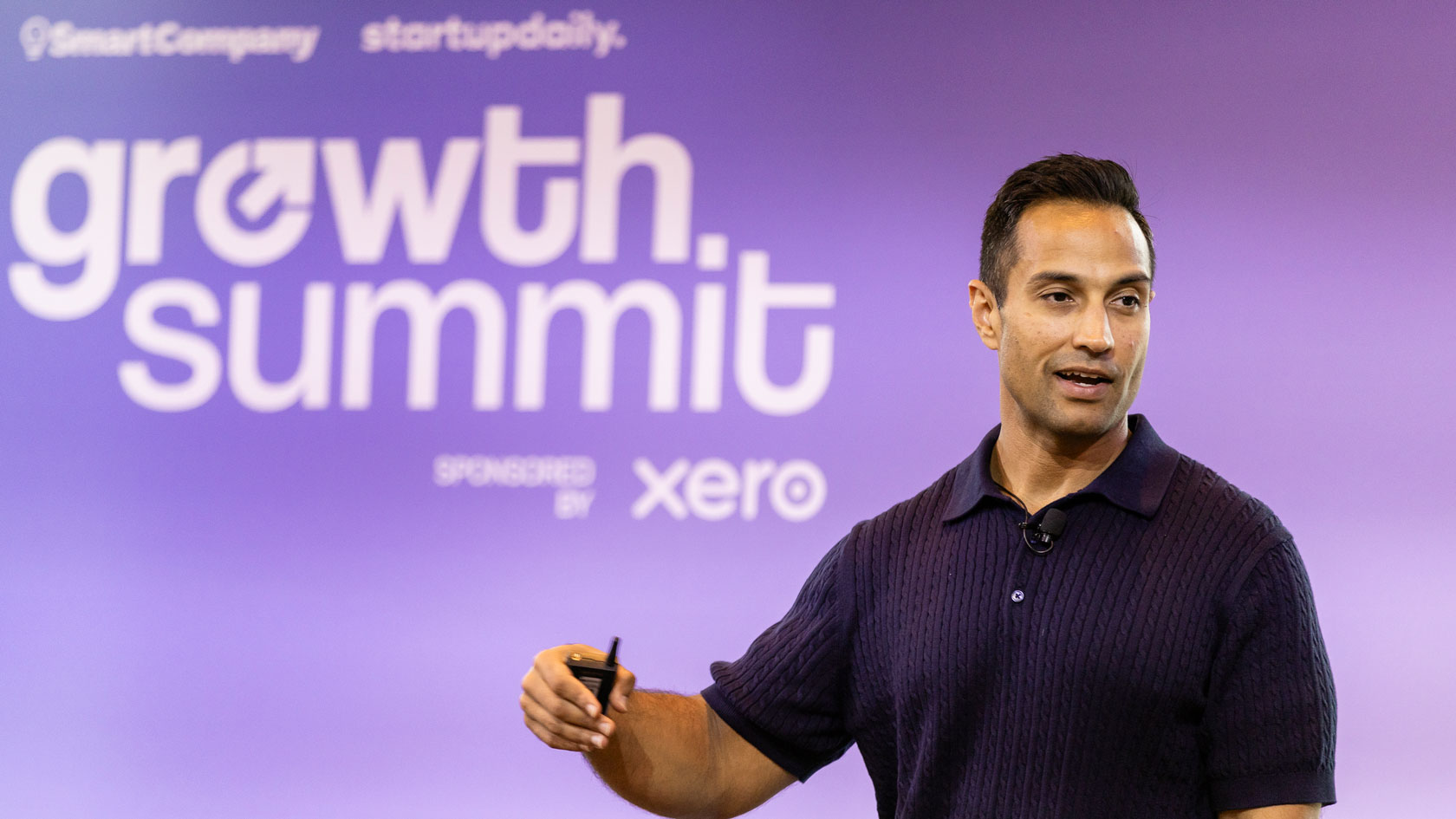
Watch video: Growth Summit Melbourne highlights (post continues after video)
4. The exit conversation needs to start on day one
Ryan Burns, Innovation Bay’s head of venture capital, drew from his experience at a top-tier, Silicon Valley seed-stage firm, noting that the exit conversation often begins the day a cheque is written. In Australia, most founders and VCs don’t raise that topic until years in.
“The founders are nervous about even pre-empting the idea of exits because they don’t want to be seen as quitting too early,” he said. “The VCs are nervous about bringing it up because they don’t want to be seen as not founder-friendly. So there’s a lack of communication between both.”
Jeanette Cheah, CEO and co-founder of HEX, was quick to agree, adding that investors rarely asked about her exit plan. But she maintained that having exit discussions internally actually helps bring a team together: “If you are willing to have those conversations with your co-founders, even if it’s just directional in the early days, it gets everyone on the same horse going towards the same sunset.”
Xero’s research found that just 31% of entrepreneurs have an endgame in mind. Soin believes that having an endgame – which you can adapt as you go – is key to strategic decision-making, as every choice should lead to that ultimate destination.
5. Founder mental health isn’t a side issue
Burns said he sets aside 25% of his time just to take calls from founders. “Yesterday, I had somebody crying on my shoulder,” he said. “Two weeks ago, somebody said, ‘We’re out of runway, I have 17 employees.’”
Carnell, a former CEO of Beyond Blue, reminded the room to make use of the organisation’s dedicated small business mental health program, NewAccess for Small Business Owners (NASBO), which offers free sessions for founders. Xero is a key partner and supporter of the initiative.
The message was unanimous that solid peer networks and just having someone to call makes an incredible difference to whether founders survive the hardest stretches of business life.
Ultimately, strategy starts with knowing what success means to you. But as this roundtable made clear, actually getting there takes a complete ecosystem that’s willing to back you.
Xerois a global small business platform that helps customers supercharge their business by bringingtogether the most important small business tools, including accounting, payroll and payments — onone platform. Xero’s powerful platform helps customers automate routine tasks, get timely insights,and connect them with their data, their apps, and their accountant or bookkeeper so they can focuson what really matters. Trusted by millions of small businesses and accountants and bookkeepersaround the world, Xero makes life better for people in small business, their advisors, and communitiesaround the world. For further information, please visitxero.com.