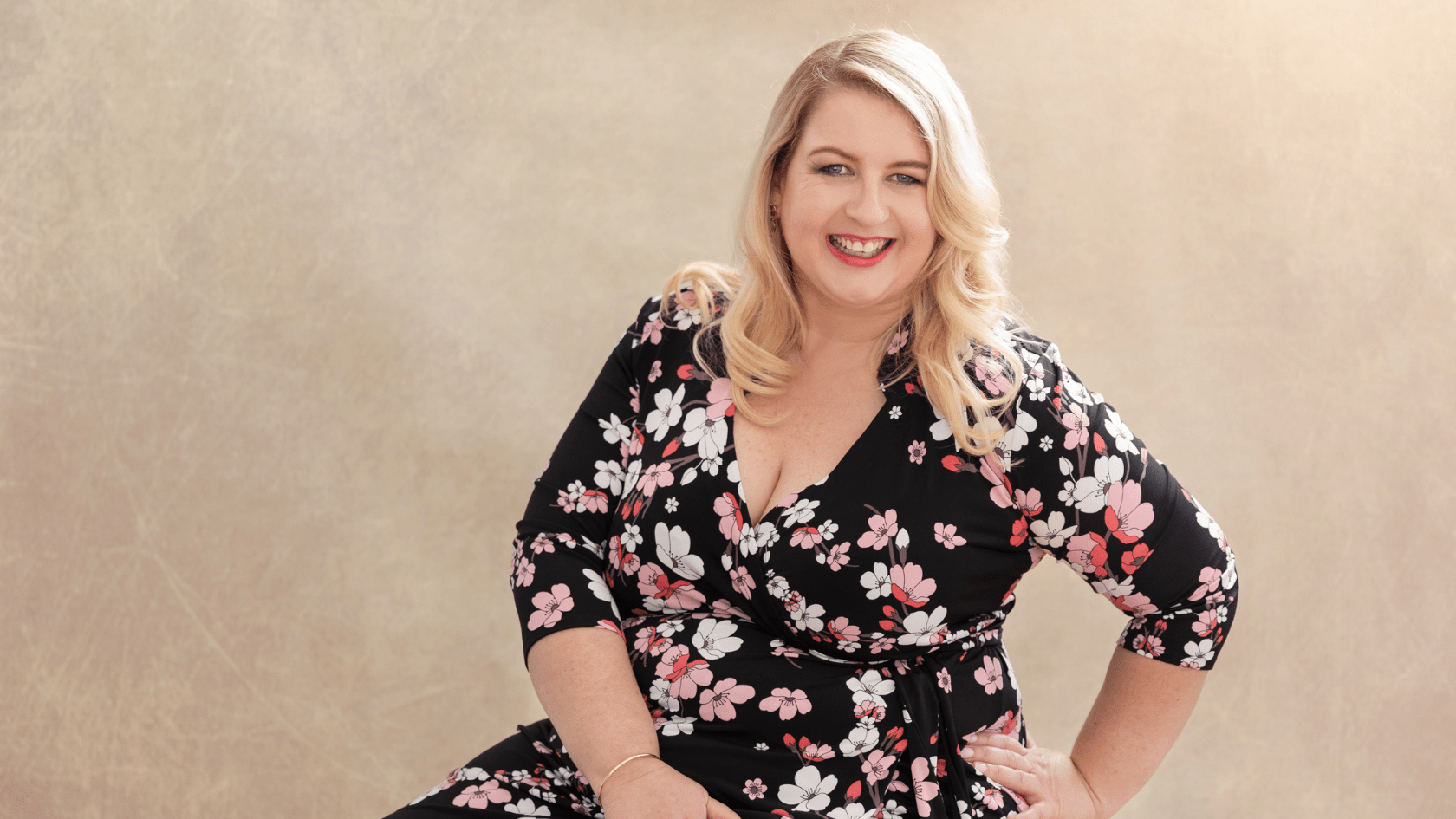
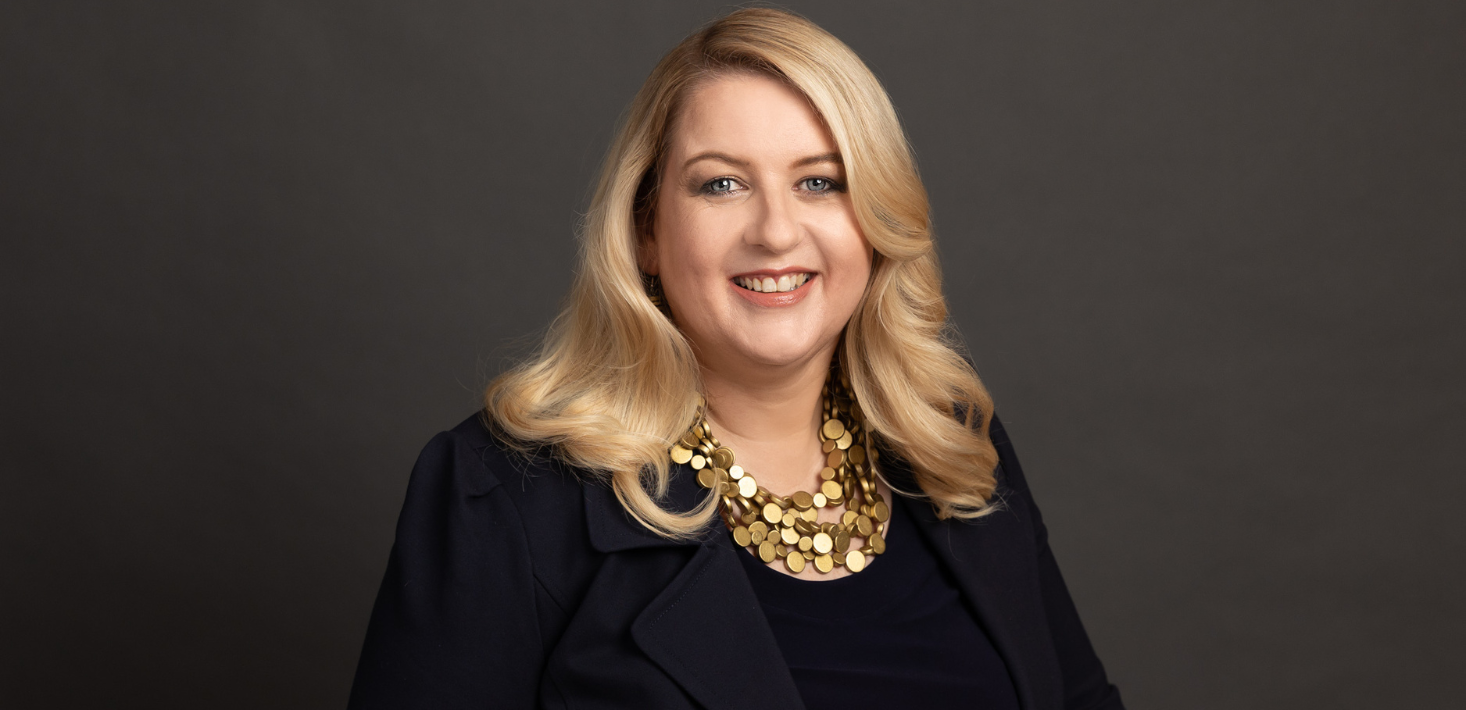
This month we asked sustainability expert Ilea Buffier about how you can start building a sustainable business and why it matters.
We sent three questions to Ilea. We hope her expert answers help you understand why building a sustainable business matters and how to know if your business is considered sustainable.
1. How can I start building a more sustainable business—or bring sustainability into what I’m already doing?
Start with what you’re already doing well. Most businesses have sustainability initiatives running already — maybe you’re recycling, using energy-efficient lighting, or supporting local suppliers. Take stock of these efforts first, then look for gaps where you could do more.
The key is making sustainability feel natural to your business, not like something bolted on afterwards. Ask yourself: ‘What does being sustainable actually mean for our specific purpose and industry?’ When it’s woven into your business identity, rather than treated as a compliance box to tick, it becomes a genuine driver of innovation and long-term value.
Get honest about your impact. Start by measuring your carbon emissions to understand your baseline—this gives you something concrete to work with. But don’t stop there. Look at your waste, energy use, and supply chain practices. Are there areas where you’re unknowingly creating problems, like working with suppliers who don’t share your values?
Smarter business news. Straight to your inbox.
For startup founders, small businesses and leaders. Build sharper instincts and better strategy by learning from Australia’s smartest business minds. Sign up for free.
By continuing, you agree to our Terms & Conditions and Privacy Policy.
Focus on what matters most. Once you understand your footprint, identify where you can make the biggest difference. Maybe it’s switching to renewable energy, reducing packaging waste, or choosing more ethical suppliers. You don’t need to tackle everything at once.
Take it step by step. No business becomes fully sustainable overnight, and that’s okay. The important thing is making steady progress. Start with measuring your emissions, set realistic reduction targets, and create an action plan with specific timelines. Consider getting third-party certifications like Climate Active to keep yourself accountable and show customers you’re serious.
Track your progress regularly and celebrate the wins along the way. Whether you’re cutting emissions or getting your team excited about sustainability goals, every step forward counts. The businesses thriving in the future will be the ones that see sustainability not as an extra burden, but as a smart strategy that future-proofs operations and creates lasting value.
2. Why does sustainability matter so much for my business, and is it something I really need to be thinking about?
Climate reporting has just become mandatory in Australia and will be phased in to a wider group of companies over the next two years. Even if your business isn’t covered by the mandatory reporting requirements, if your customers are, they will be asking for carbon footprints for the products and services you are providing to them. Green procurement practices will become more common and if you’re not prepared, there is a good chance your industry will move ahead of you.
There are also great benefits from improving your business’ climate and environmental credentials, such as:
- Outperforming your competitors on emissions performance;
- Reducing your costs;
- Attracting more customers and capital;
- Meeting reporting requirements relevant to your industry;
- Meeting your suppliers’ and customers’ reporting requirements;
- Improving your social license to operate with key stakeholders such as communities, customers and government; and
- Improving employee attraction and engagement.
Sustainability matters for your business not just because of environmental responsibility, but because it’s becoming a core driver of long-term success. The question isn’t whether you need to think about sustainability, but rather how quickly you can integrate it into your strategy to remain competitive and resilient in an evolving marketplace.
3. I’ve heard there are four types of sustainability—do I need to focus on all of them for my business to actually be considered sustainable?
Great question! The four pillars of sustainability are environmental, economic, social and human. You need all four to create something truly stable and lasting, but you don’t have to perfect them all at once. It’s about progressing on the journey and making sure you don’t have big gaps that can lead to risk areas.
Environmental sustainability is probably what most people think of first—reducing emissions, cutting waste, and being smarter about resource use.
Economic sustainability means staying profitable while creating value for everyone involved, not just your shareholders.
Social sustainability covers things like fair labour practices, community engagement, and making sure your business has a positive impact on society.
And human sustainability focuses on the wellbeing of everyone connected to your business—employees, customers and suppliers.
These pillars work best when they’re balanced. Focus too heavily on one area while ignoring others, and you’ll find yourself running into problems. Start with an honest assessment of where you are now across all four areas, then identify your biggest opportunities or risks.
The real win isn’t just getting a green certification or hitting a particular benchmark—though those can be helpful milestones. The real benefit is building a business that’s more resilient, more responsible, and ultimately more successful because you’re taking ownership of your impact and extending your positive influence as far as you can reach.