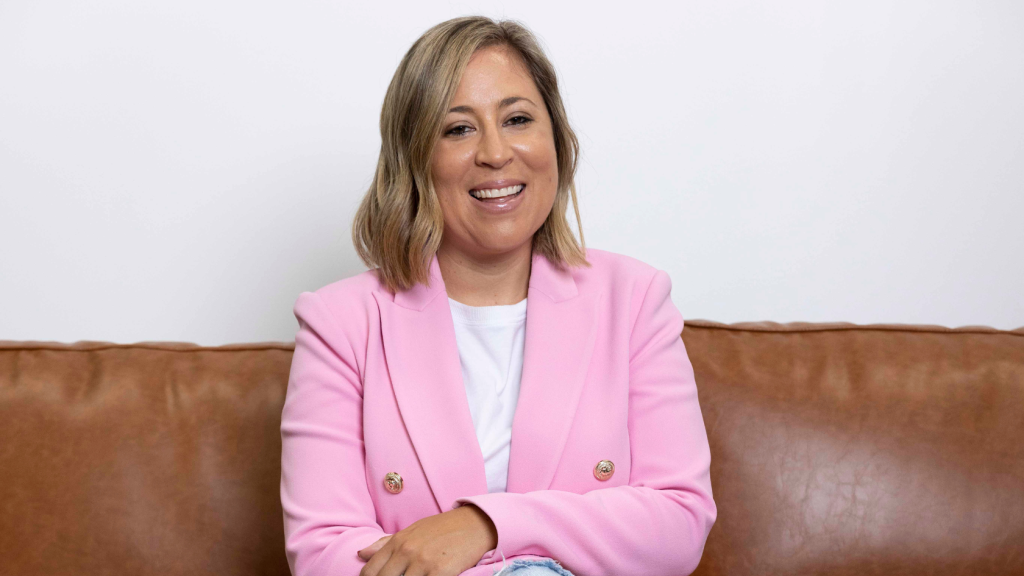
This month we asked for questions about what you should know before this EOFY and how you can be on top of your finances. Answering your Ask Us Anything questions, in partnership with Optus Business, is accounting expert Natalie Lennon.
We sent the four top questions to Natalie. We hope her expert answers help you prepare both your personal and business finances ahead of EOFY and prepare for the year ahead.
1. I know I should have planned ahead but with the little time I have left, do you have any last-minute tax planning strategies that can help my business make a difference?
- Pay employee super before June 30: Normally, the June quarter super is due by July 28, but if you pay it early (by June 30), you can bring that tax deduction into this financial year.
- Make extra contributions: Also consider topping up your super (assuming this is in line with your overall wealth strategy). The concessional (tax-deductible) cap is $30,000 for the 2024–25 year.
- Write off obsolete or unsellable stock. Any stock that’s damaged, expired, or just collecting dust can be written down or written off entirely.
- Write off bad debts. If you’ve been chasing invoices that clearly aren’t going to be paid, write them off before June 30. This allows you to claim a deduction for the income you never received. Just make sure you’ve genuinely tried to recover the debt and have documentation to support this.
- Buy and install assets under $20,000. Eligible assets under this threshold can be written off in full this financial year under the instant asset write-off rules—if they’re installed and ready for use by June 30. That means no ordering something on June 29 and picking it up in July.
- Prepay expenses. Some small businesses can claim a deduction for expenses paid up to 12 months in advance (like rent, insurance, or subscriptions).
2. I started my business three years ago, and only catch up with my accountant once a year. I’ve been hearing people tell me that I should be doing this more often. Is this crucial and how will it help me and my business if we catch up more often?
Meeting with your accountant regularly is one of the smartest moves you can make as a business owner. It gives you the chance to plan ahead for any tax liabilities well before they become an end-of-financial-year surprise. Instead of scrambling in June, you’ll have clarity months in advance, which means less stress and more time to make smart financial decisions.
It’s not just about tax. These meetings are also a valuable opportunity to dive deeper into your numbers and understand how your business is really performing. Whether it’s identifying trends, spotting inefficiencies, or uncovering opportunities, your accountant can help you make sense of it all and walk you through your numbers. Your accountant lives and breathes financial data so they can often point things out that you haven’t noticed or thought of.
They can also help you improve your cashflow, build a tailored business strategy, and set meaningful KPIs that align with your goals. So rather than just looking backward at what’s already happened, you’ll be forward planning with purpose and confidence.
Smarter business news. Straight to your inbox.
For startup founders, small businesses and leaders. Build sharper instincts and better strategy by learning from Australia’s smartest business minds. Sign up for free.
By continuing, you agree to our Terms & Conditions and Privacy Policy.
It is also important to meet with your accountant prior to EOFY to assist you in maximising your tax deductions and reviewing your estimates for the coming tax year.
3. I want to help my employees prepare ahead of EOFY. What are some things I can do as an employer to make this an easy task on their end?
- Finalise the Single Touch Payroll data as early as possible (due 14th of July) so that they can lodge their returns
- Remind them of any allowances they may have received during the year that they will need to provide related deductions for to their accountant i.e. car allowances, travel allowances, laundry allowances, etc
- Remind them about deductions and encourage employees to keep receipts or records for:
- Home office expenses (if working remotely);
- Self-education or training; and
- Tools or uniforms they bought.
4. It might be too late for this financial year, but how can I prepare for the next financial year so I can improve my cashflow and be more organised, for both my business and accountant?
If you are a sole trader and don’t have a separate bank account for your business, do not pass go, do not do anything until you open one! Having a separate bank account ensures your business income and expenses are separated from your personal, making tax time much easier.
Get organised with your bookkeeping. If you’re not already using accounting software like Xero or MYOB, now’s the time. Reconcile weekly, not monthly (or worse annually). Set aside time in your calendar to review reports like profit and loss, cashflow, and aged receivables.
Also, schedule quarterly check-ins with your accountant before EOFY. This gives you time to make strategic moves like super top-ups, asset purchases, or restructuring.
Review your past year cashflow. Were there times you felt strapped for cash or surprised by big bills (like BAS or super)? Use that insight to create a 12-month cashflow forecast. It doesn’t have to be fancy, even a simple spreadsheet can help you anticipate peaks and dips, and plan for big expenses ahead of time.
Finally, review and tidy up your systems to make sure you’re storing receipts digitally and regularly.
It’s all about being proactive instead of reactive.