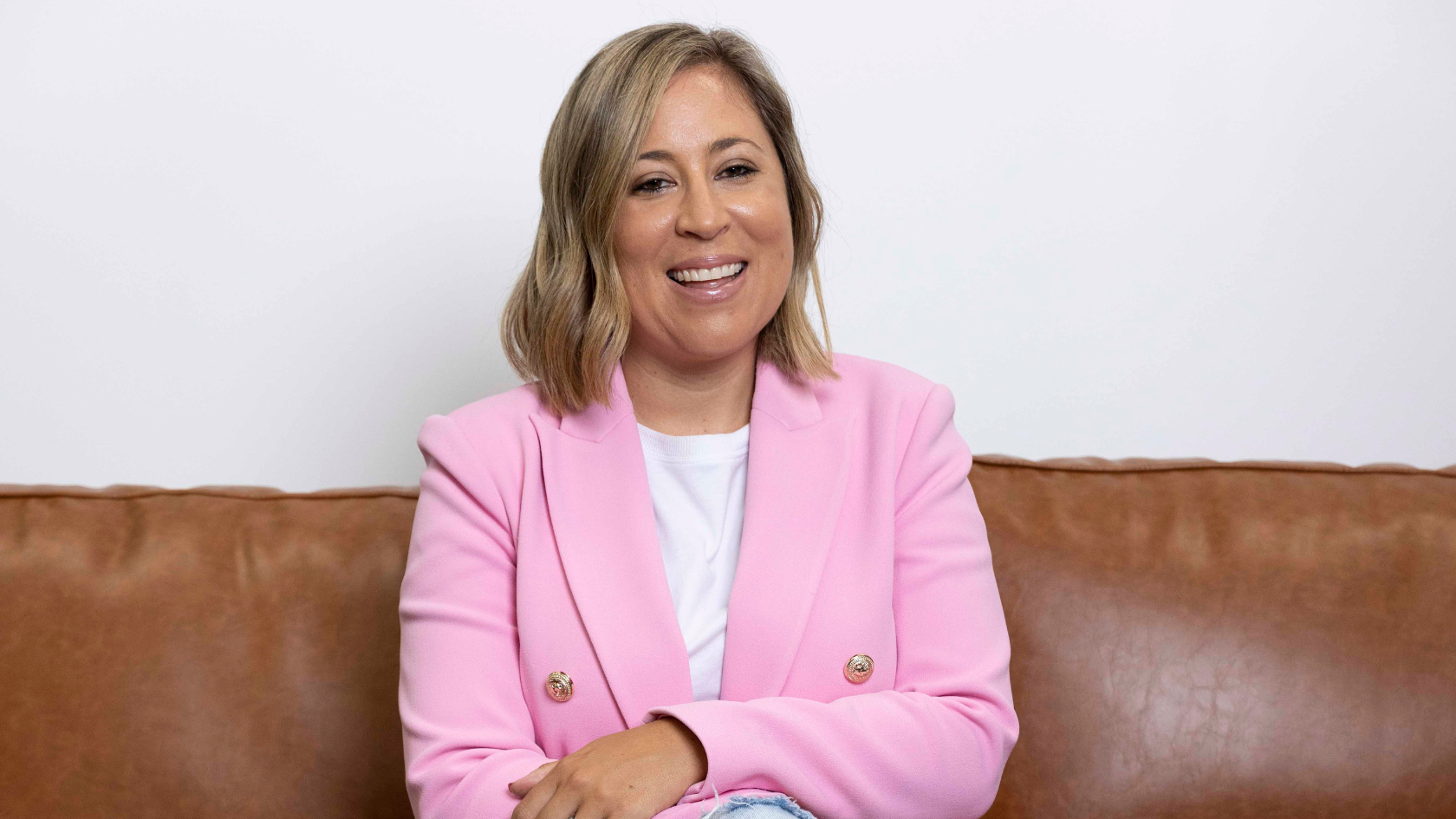
Ask Us Anything: Productivity expert Donna McGeorge answers how to plan your year ahead
We hope Donna’s expert answers will help you create the perfect work plan and flow for your business.



This month we asked you for questions on productivity and planning for business success. Answering your Ask Us Anything questions this month, in partnership with Optus Business, is productivity expert Donna McGeorge.
We sent the three most common questions to Donna, and we hope her expert answers help you create the perfect work plan and flow for your business.
1. As a manager, I want to support my team in their workflows. Are there any platforms or suggestions which I can start implementing to help with structuring their workflows, goals and plans for the year?
Absolutely! The key is to trade energy for impact. Help your team focus on what matters most rather than just keeping them busy.
Here are three practical steps to get started:
Remember, the best tool is the one your team will actually use. Start small, get feedback, and refine as you go. My advice would be for the team to work together to research the options and conduct experiments over the course of a few months. See which tools are the best fit.
2. When my workload gets too much, I find myself procrastinating on tasks as I don’t know where to start. What tips do you have for me to overcome this?
You’re not alone. Decision fatigue and overwhelm are real. The trick is to break the inertia and get moving. Try these:
At the end of the day, momentum trumps motivation. Just start, and the progress will follow.
3. With the number of platforms available for work efficiency and productivity, do you think we will become too dependent on them and how do we find the right balance of not being too dependent?
The short answer? Yes, we’re already too dependent. But it’s not about using fewer tools — it’s about using them better.
Here’s how to keep tech in check:
At the end of the day, tech should help you take back time, not steal more of it. Make work work, don’t let the tools work you.
SmartCompany is proud to introduce Ask Us Anything: Connecting you to expert mentors, a series in partnership with Optus. Each month, we’ll deal with a different topic around owning and running a small business. You’ll get the chance to send in your own questions for each theme and a business expert will answer three of them, offering their own insight shaped by years of business experience.

At Optus, we understand that running a small business is no small feat. Optus keeps you and your business connected with 24/7 online support, an award-wining network and access to a community of business experts. When your business needs support, we’re all in.